
In a world where headlines can change faster than a politician’s stance, political journalism stands as the beacon of truth—or at least, it tries to be. With the power to shape opinions and influence elections, this field isn’t just about reporting the news; it’s about navigating the murky waters of political intrigue, scandals, and the occasional tweet that sends everyone into a frenzy.
Imagine a high-stakes game of chess where every move is scrutinized by the public. Political journalists are the players, armed with notepads and a healthy dose of skepticism. They sift through the noise to deliver insights that keep citizens informed and engaged. So buckle up as we dive into the fascinating world of political journalism, where every story has the potential to change the game and perhaps even elicit a chuckle or two along the way.
Overview of Political Journalism
Political journalism serves as a critical element in democratic societies, emphasizing transparency and accountability. This field focuses on reporting news related to government, politics, and policy-making. Journalists strive to deliver accurate information, often under intense scrutiny and pressure from external forces.
Coverage of political events ranges from elections and legislative decisions to social movements and public policy debates. Reporters analyze complex topics, presenting diverse viewpoints that aid citizen understanding. Engaging storytelling is essential, as it attracts readers and encourages them to stay informed.
Investigative journalism holds significant importance in politics. Journalists investigate corruption, scandals, and misuse of power, exposing information vital for public awareness. Probing into these matters lists accountability at the forefront.
Collaboration among news outlets also enhances political coverage. Partnerships of various media organizations often lead to comprehensive investigations. Shared resources help in gathering data and bringing attention to critical issues that might slip under the radar.
Social media impacts political journalism significantly. Platforms like Twitter and Facebook allow real-time updates and citizen journalism, creating a more interactive experience. However, the challenge of misinformation persists, requiring journalists to maintain a commitment to factual reporting.
Investigative techniques and digital tools have transformed the landscape. Journalists utilize data analysis and visualization to present information compellingly. Such techniques lead to more informed audiences that appreciate nuanced discussions around political matters.
Overall, political journalism is vital for educating the public and promoting civic engagement. It influences perception and shapes public discourse, making its role indispensable in maintaining a healthy democracy.
The Role of Political Journalism in Democracy
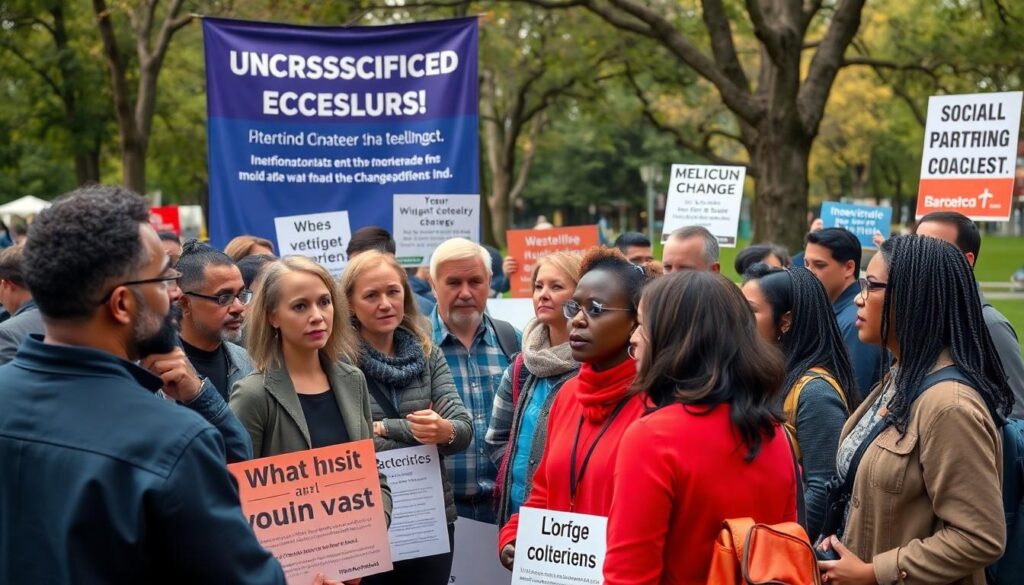
Political journalism plays a crucial role in strengthening democracy by providing timely and accurate information. It serves as a foundation for informed citizenry and vigorous public debate.
Informing the Public
Political journalists deliver essential news about government actions, policy changes, and electoral processes. They break down complex legislative issues into accessible stories. Reports on social movements highlight citizens’ voices and demands for change. Accurate and engaging reporting fosters public understanding of significant issues. Through various platforms, they promote dialogue and discussion among the electorate, which aids in fostering an informed populace. Ultimately, the accessibility of political information empowers individuals to make educated decisions when voting.
Holding Power Accountable
Investigative journalism serves as a watchdog, exposing corruption and ensuring transparency. Journalists scrutinize the actions of elected officials and governmental bodies. They document discrepancies and malfeasance in public service, bringing vital issues to light. By uncovering wrongdoing, political journalism encourages ethical conduct within leadership. Citizens rely on journalists to hold those in power accountable, thereby reinforcing democratic principles. Continuous investigation fosters a culture of transparency and trust, enabling a responsive government that serves the public interest.
Challenges Facing Political Journalism
Political journalism faces several significant challenges. These hurdles impact its effectiveness in providing reliable information to the public.
Misinformation and Fake News
Misinformation spreads rapidly across social media, complicating the work of journalists. This constant barrage of false information undermines trust in credible news sources. Newsroom efforts often focus on fact-checking and debunking widespread myths. Journalists must distinguish fact from fiction while maintaining their commitment to accuracy. Covering events alongside an avalanche of misleading narratives challenges even the most experienced reporters. Misinformation erodes public confidence in journalism, making it imperative for outlets to establish transparency.
Press Freedom Concerns
Globally, press freedom faces threats that hinder political journalism’s effectiveness. Government restrictions, censorship, and intimidation pose serious risks to journalists. In many regions, reporters face violence simply for doing their job. The chilling effect of such intimidation discourages comprehensive reporting on critical issues. Organizations dedicated to safeguarding a free press highlight the rising challenges journalists encounter. Ensuring journalists can operate without fear is vital for maintaining democracy.
The Evolution of Political Journalism
Political journalism has undergone significant transformations over the years, adapting to both technological advancements and changing audience expectations.
Traditional vs. Digital Journalism
Traditional journalism relied heavily on print media and television, where news cycles operated on a slower timeline. Investigative reports emerged through thorough research, often involving extensive reporting and fact-checking. Digital journalism introduced faster timelines, with online platforms delivering news in real-time. The shift allowed for immediate sharing and engagement, but the demand for speed sometimes compromised accuracy. Despite the evolution, core principles remain, such as accountability and transparency in reporting. Both formats play critical roles, yet they cater to different audience preferences and consumption patterns.
The Impact of Social Media
Social media significantly reshaped political journalism, providing instant access to news updates. Platforms like Twitter and Facebook allow journalists to disseminate information quickly while engaging directly with their audience. This immediacy fosters a sense of community and conversation around political topics. However, these platforms also harbor challenges, especially regarding the spread of misinformation. Journalists face constant pressure to verify facts amid a landscape filled with rumors and half-truths. The ability to communicate directly with the public enhances engagement but risks diluting the credibility of information. Professional standards and diligent fact-checking remain essential as political journalism continues evolving in this digital age.
Notable Political Journalists and Their Contributions
Bob Woodward significantly shaped investigative journalism, particularly through his groundbreaking work at The Washington Post. His reporting during the Watergate scandal unveiled the depths of political corruption, leading to President Nixon’s resignation.
Helen Thomas made her mark as a pioneering political reporter. Serving as White House correspondent for decades, she broke barriers for women in journalism while advocating for accountability in government.
David Brooks, known for his insightful columns in The New York Times, often bridges political analysis with cultural commentary. His ability to engage diverse audiences makes complex issues more accessible.
Margaret Brennan, a prominent face on CBS News, provides thorough insight into U.S. foreign policy and its impacts. She enhances public understanding of global events through detailed interviews and analytical reporting.
Jorge Ramos, an influential voice in Spanish-language media, focuses on immigration and human rights issues. His impactful storytelling highlights the struggles faced by marginalized communities and informs broader societal conversations.
Ezra Klein, co-founder of Vox, underscores the importance of explanatory journalism. His work clarifies intricate policy debates, aiming to empower citizens with comprehensive insights.
Nina Totenberg, a legal affairs correspondent for NPR, covers the Supreme Court and pivotal legal issues. Her reports shape public knowledge on crucial judicial decisions that affect everyday lives.
Jon Stewart, though primarily known as a comedian, profoundly influenced political discourse through The Daily Show. His satirical approach informed numerous viewers about important political topics while challenging mainstream narratives.
Together, these journalists exemplify the essential role of political reporting in promoting transparency and accountability in government. Their contributions facilitate an informed citizenry, encouraging active engagement in democracy.
Political journalism stands as a cornerstone of democracy. Its ability to inform and engage citizens shapes public discourse and encourages accountability. As the landscape evolves with technology and social media, the commitment to truth remains unwavering. Journalists continue to navigate challenges while upholding the principles of transparency and integrity.
The influence of notable figures in the field highlights the importance of investigative work in exposing corruption and fostering civic engagement. As political journalism adapts to new realities, its role in educating the public and promoting active participation in democracy is more crucial than ever. In an era of misinformation, the responsibility of journalists to deliver accurate and compelling stories has never been so vital.

