
Haiikurti has quickly gained popularity as a stylish and versatile clothing choice. Blending traditional and contemporary elements, haiikurti offers a unique look that fits various occasions. Whether dressing up for a festive event or going casual for everyday wear, this garment adapts effortlessly to different styles.
Fashion enthusiasts appreciate haiikurti for its comfort and elegance. Made from breathable fabrics and featuring diverse designs, it appeals to a wide audience. As more people seek outfits that balance tradition with modern trends, haiikurti stands out as a go-to option that combines both seamlessly.
What Is Haiikurti?
Haiikurti blends tradition with modern fashion, offering a versatile garment admired for its style and comfort.
Origin and Meaning
Haiikurti originated from Indian ethnic wear, combining the classic kurti with innovative design elements. The term “haiikurti” signifies a kurti designed to suit contemporary preferences while retaining cultural roots. It reflects a fusion of heritage and modernity, making it a popular wardrobe choice.
Unique Features of Haiikurti
Haiikurti stands out due to its tailored cuts, varied lengths, and breathable fabric choices like cotton, linen, and blends. It often showcases intricate embroidery, prints, or minimalistic patterns that suit both casual and formal settings. Designs typically incorporate elements such as asymmetrical hems, layered styles, or fusion necklines, distinguishing haiikurti from traditional kurtis. This adaptability enhances its appeal across different age groups and fashion tastes.
Styles and Designs of Haiikurti
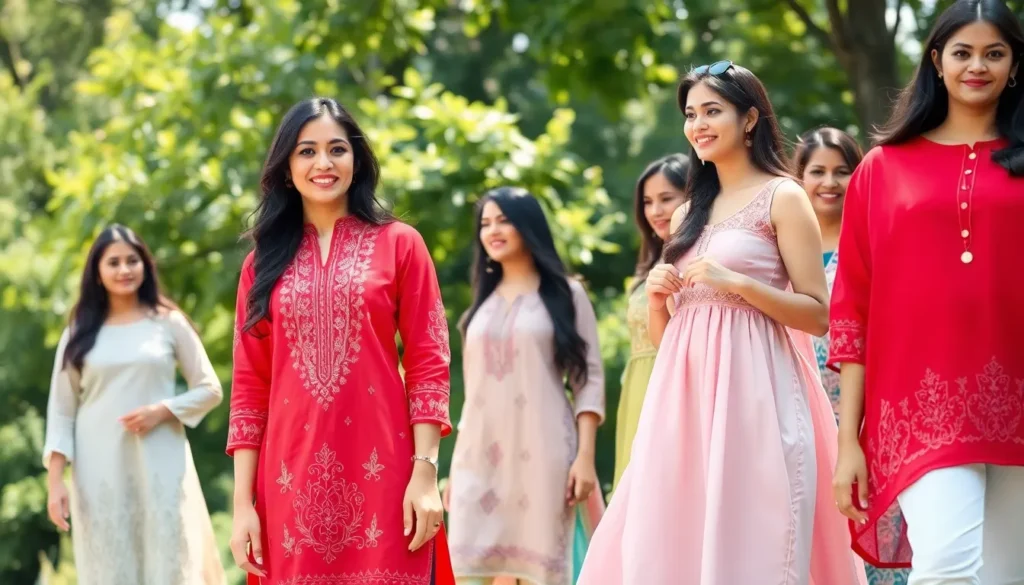
Haiikurti offers a blend of styles that cater to both traditional and modern preferences. Its designs combine cultural heritage with contemporary trends to suit diverse occasions and tastes.
Traditional vs Modern Designs
Traditional haiikurti designs feature classic embroidery, paisley motifs, and vibrant colors like red, gold, and royal blue. These styles often include straight cuts, full sleeves, and ethnic necklines such as round or boat necks. In contrast, modern designs incorporate asymmetrical hems, fusion necklines, and minimalist patterns. They use tailored cuts, sleeveless or bell sleeves, and muted shades like pastel pink or navy blue. This versatility allows haiikurti to fit well in formal events and casual settings alike.
Fabric Choices and Patterns
Haiikurti uses breathable fabrics including cotton, linen, and silk blends to ensure comfort and elegance. Cotton suits daily wear with light embroidery or block prints. Linen offers a textured look for semi-formal occasions, often featuring geometric or floral patterns. Silk blends enhance festive appeal with zari work or subtle shimmer. Patterns range from intricate traditional motifs to abstract and minimalistic designs, reflecting the fusion of heritage and modern aesthetics.
How to Style Haiikurti
Styling haiikurti offers multiple options to create looks that range from traditional to chic. The choice of bottom wear, accessories, and footwear enhances the garment’s versatile appeal.
Pairing Haiikurti with Bottom Wear
Matching haiikurti with the right bottom wear emphasizes its design and fabric. Straight-cut palazzo pants complement the length and flow of longer haiikurtis, balancing silhouette and comfort. Skinny jeans or cigarette pants suit shorter, contemporary styles, offering a sleek contrast that highlights minimalistic patterns. Pairing with traditional churidars or leggings blends classic elements with modern tailoring, especially when the haiikurti features intricate embroidery or detailed motifs. Linen or cotton wide-legged pants support breathable fabric choices and suit casual outings or daytime events.
Suitable Accessories and Footwear
Choosing accessories for haiikurti depends on the occasion and design complexity. Minimalist earrings and delicate bangles match well with modern, subtle haiikurtis, maintaining an elegant, understated look. Statement jewelry like jhumkas or oxidized metal pieces enhances traditional styles with vibrant colors or heavy embroidery. Footwear options include kolhapuris or embroidered juttis for ethnic authenticity and comfort in formal or festive settings. For casual or office wear, block heels or stylish flats offer practicality while supporting the garment’s sophisticated flare. Select handbags or clutches in neutral or matching tones to maintain balance and prevent over-accessorizing.
Where to Buy Haiikurti
Haiikurti is widely available for purchase through various channels, including online retailers and local boutiques. Each option offers distinct advantages depending on style preferences and convenience.
Popular Online Stores
Online stores provide extensive haiikurti collections featuring diverse designs, fabrics, and sizes. Platforms such as Amazon, Myntra, and Flipkart host verified sellers offering traditional and fusion haiikurtis. Niche ethnic wear sites like FabIndia and Biba showcase handcrafted pieces with authentic embroidery and unique patterns. Shoppers benefit from detailed product descriptions, customer reviews, and size guides. Many stores offer return policies and delivery tracking, ensuring a secure buying experience. Seasonal sales and discounts further increase affordability.
Local Boutiques and Markets
Local boutiques and markets offer personalized service and the chance to explore haiikurti fabrics and styles firsthand. Cities with large Indian communities often feature specialized ethnic wear stores stocking both modern and classic haiikurtis. Markets such as Delhi’s Sarojini Nagar and Mumbai’s Colaba Causeway provide a rich variety of options, including handmade designs with intricate detailing. Customers gain the advantage of trying garments before purchasing, guaranteeing proper fit and fabric feel. Direct interaction with shopkeepers allows for customization requests and insights into emerging trends.
Care and Maintenance of Haiikurti
Washing haiikurti requires attention to fabric type for preserving color and texture. Use cold water and mild detergent for cotton or linen to prevent shrinkage and fading. Avoid machine drying; instead, air dry in shade to maintain fabric integrity and prevent discoloration.
Ironing should match the fabric’s heat tolerance. Use low heat for delicate materials and medium for cotton kuri. Turn the garment inside out to protect embroidery or printed designs. Steaming offers a safer alternative to remove wrinkles without direct heat contact.
Storage demands folding haiikurti carefully to avoid creases, or hanging on padded hangers to retain shape. Keep garments away from direct sunlight and moisture to avoid fabric damage and mildew growth. Use breathable garment bags for long-term protection, especially for silk or embroidered pieces.
Stain removal depends on the stain type and fabric. Gently blot oil-based stains with talcum powder before washing. For ink or color stains, specialized stain removers that suit the fabric composition offer effective cleaning without harsh chemicals. Always test stain removers on a small, inconspicuous area first.
Following these care procedures guarantees haiikurti maintains its elegance and longevity, supporting its fusion of traditional style with modern durability.
Conclusion
Haiikurti stands out as a dynamic fashion choice that effortlessly bridges cultural heritage and contemporary style. Its adaptability and comfort make it a go-to option for a wide range of occasions. Whether paired with traditional or modern accessories, it offers a unique blend of elegance and practicality.
With its growing availability both online and in stores, anyone can easily embrace this versatile garment. Proper care ensures that haiikurti remains a lasting staple in any wardrobe, reflecting a perfect harmony of tradition and modern fashion sensibilities.

