
In a world where scrolling through social media feels like a competitive sport, understanding the types of digital media is more crucial than ever. From viral TikTok dances to the latest podcast episodes that keep listeners hooked, digital media shapes how people connect, learn, and entertain themselves. It’s not just about cat videos anymore; it’s a vibrant landscape teeming with opportunities for creativity and engagement.
Overview of Digital Media
Digital media encompasses various content formats and distribution channels that facilitate communication and engagement. Platforms like social media, streaming services, and websites serve as dynamic environments for sharing information.
Social media remains a predominant force. Various platforms, such as Facebook, Instagram, and Twitter, allow users to create, share, and interact with content. Engagement occurs through likes, comments, and shares, which enhances community building.
Streaming services, including Netflix and Spotify, revolutionized how audiences consume media. Users enjoy on-demand access to films, music, and other forms of entertainment, reshaping viewing habits and preferences.
Podcasts offer an increasingly popular audio format for storytelling, education, and news. This versatile medium allows creators to reach diverse audiences through various topics and themes. Listeners engage with content while commuting or during leisure time.
Websites form the foundation for digital media strategies. Businesses use them to present information, promote products, and attract customers. Content management systems, like WordPress, simplify the creation and management of online content.
Gaming also represents a significant segment of digital media. The rise of online multiplayer platforms has transformed gaming into a social experience. Gamers connect globally, forming communities centered around shared interests and experiences.
In addition to traditional avenues, emerging technologies like virtual reality (VR) and augmented reality (AR) redefine user experiences. These innovations create immersive environments that enhance interactions with digital content.
Understanding digital media types provides insights into changing communication dynamics. It’s essential to navigate this landscape to leverage opportunities for connection, learning, and entertainment.
Types of Digital Media
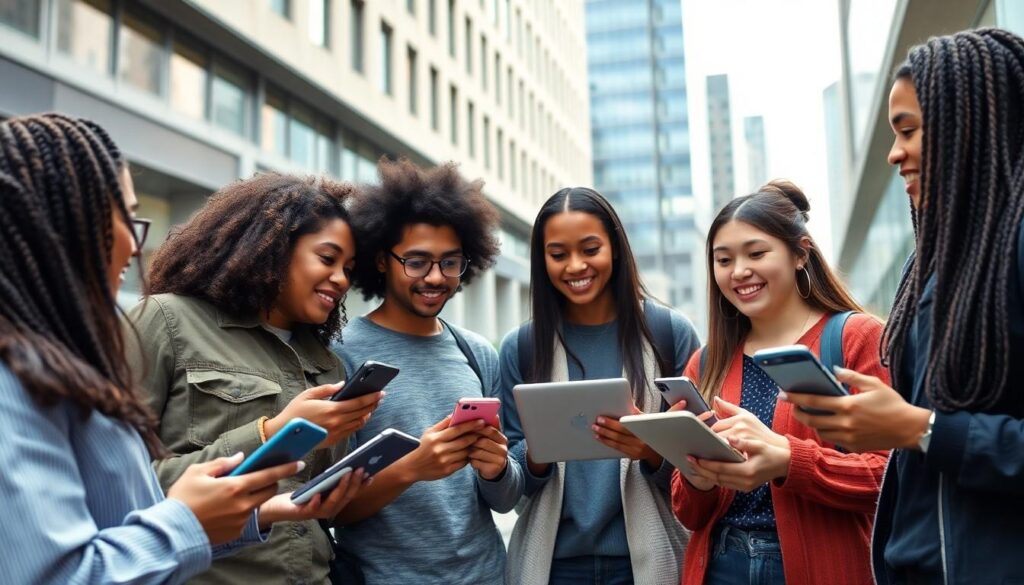
Digital media encompasses a variety of formats and channels, providing unique ways to communicate and engage. Understanding these types helps navigate the ever-evolving digital landscape.
Social Media Platforms
Social media platforms facilitate real-time interaction and content sharing. Users connect on platforms such as Facebook, Instagram, and Twitter, creating communities around shared interests. Content can be visual or text-based, allowing for diverse expressions. Engagement metrics, like likes and shares, offer insights into audience preferences, shaping future content strategies. Marketers leverage targeted advertising on these platforms, enhancing visibility and reach.
Streaming Services
Streaming services offer instant access to vast libraries of films and music. Services like Netflix and Spotify enable users to watch and listen without traditional constraints. Original content attracts audiences, with exclusive shows and playlists catering to varied tastes. The ability to binge-watch or create personalized playlists enhances user satisfaction. With the rise of mobile accessibility, consumers can enjoy media anytime, anywhere.
Online News Outlets
Online news outlets deliver immediate updates on global events. Readers access articles from sources like BBC, CNN, and Reuters, engaging with multimedia content. Breaking news notifications keep audiences informed in real time. Many outlets provide commentary and analysis, allowing for deeper understanding of current affairs. The shift from print to digital formats caters to the evolving habits of consumers seeking instant information.
Blogs and Vlogs
Blogs and vlogs serve as platforms for personal expression and expertise sharing. Bloggers write about subjects ranging from travel to technology, while vloggers use video to engage their audience. These formats foster interaction through comments and shares, building communities. Search engine optimization (SEO) practices enhance discoverability, allowing creators to reach broader audiences. Many brands utilize blogs and vlogs for content marketing, enhancing their online presence.
Podcasts
Podcasts provide audio storytelling on various topics, attracting diverse audiences. Listeners can engage with educational content, interviews, or entertainment during daily routines. Platforms like Spotify and Apple Podcasts host a plethora of shows, making access easy. The episodic nature encourages subscription and repeat listenership. Advertisers target specific demographics within podcasts, connecting with potential customers seamlessly.
Impact of Digital Media
Digital media significantly influences communication and connectivity in contemporary society. Its various forms shape interactions, content creation, and engagement across platforms.
Audience Engagement
Audience engagement measures how effectively media captivates users. Metrics like views, likes, shares, and comments reflect audience interactions, signaling which content resonates best. Engagement fosters a sense of community, prompting discussions and alliances among users. Brands thrive by leveraging audience insights to tailor content, enhancing user loyalty and satisfaction. High engagement rates often translate into increased visibility, attracting new followers and potential customers. Research shows that engaged audiences remain more attentive to brand messaging, leading to higher conversion rates.
Content Creation
Content creation plays a vital role in digital media effectiveness. Diverse formats, such as videos, articles, and podcasts, provide various avenues for expression and storytelling. Creators utilize tools like graphic design software and editing apps to enhance their content’s appeal. Search engine optimization techniques boost discoverability, ensuring content reaches wider audiences. Consistency in posting schedules builds audience anticipation, fostering trust and reliability. Collaborations among creators can amplify reach, introducing different perspectives and styles to diverse follower bases. Continual innovation sets trends, as engaging content keeps audiences informed and entertained.
Future Trends in Digital Media
Emerging technologies are shaping the landscape of digital media. Augmented reality (AR) and virtual reality (VR) offer immersive experiences that enhance storytelling, making content more engaging. Brands increasingly adopt AR features in mobile applications to create interactive customer experiences, merging physical and digital environments.
Artificial intelligence (AI) plays a crucial role in content creation and curation. AI algorithms analyze user behavior, tailoring recommendations to individual preferences. This personalized approach increases user engagement, elevating content relevance across platforms like Netflix and Spotify.
Short-form video content is on the rise, driven by platforms such as TikTok. Users seek quick, impactful messaging, leading to creative formats that capture attention rapidly. Marketers adapt strategies to leverage this trend, optimizing campaigns for bite-sized storytelling that resonates with audiences.
Live streaming experiences are gaining traction as audiences crave real-time interaction. Events and webinars hosted on social media platforms allow brands to engage directly with viewers. Immediate feedback and interaction enhance relationships, creating a sense of community around content.
Podcasting continues to evolve, with niche topics attracting dedicated listener bases. As more creators enter the space, innovative formats emerge, including serialized storytelling and interactive elements. Advertisers recognize the potential of targeted audio placements, increasing investment in this channel.
Data privacy concerns are also influencing digital media trends. Users demand transparency regarding data usage, prompting platforms to adopt stricter policies. Increased emphasis on ethical data practices fosters trust, enabling users to engage with content more freely.
Collaborative content creation experiences highlight the power of partnerships. Brands and influencers alike co-create material, amplifying reach and diversifying perspectives. This trend promotes authenticity, enhancing audience connection and loyalty. Leading the way, established creators inspire new entrants in the digital space.
Digital media has transformed how individuals connect learn and entertain themselves. The diverse formats and platforms available today offer endless possibilities for engagement and expression. As technology continues to evolve the landscape of digital media will further adapt to meet the needs of users seeking instant information and immersive experiences.
Understanding these types of digital media is crucial for anyone looking to navigate this dynamic environment. With the right strategies and insights creators and brands can effectively leverage these tools to foster connections and enhance audience engagement. Embracing innovation and staying informed about trends will ensure continued success in this ever-changing digital world.

