
In the wild world of political reporting, horse race journalism gallops to the forefront, capturing attention like a flashy jockey at the Kentucky Derby. This style focuses on the competition between candidates rather than their policies, turning elections into a thrilling race where the finish line is all that matters. It’s like watching a reality show where the drama unfolds, and the stakes are high, but viewers might just miss the substance behind the spectacle.
Horse race journalism isn’t just a catchy term; it’s a lens through which voters often view political landscapes. While it can be entertaining, it raises questions about the depth of information being shared. Is the focus on who’s winning overshadowing the real issues at stake? Buckle up as we dive into the definition of horse race journalism in AP Government and explore its impact on democracy.
Overview of Horse Race Journalism
Horse race journalism represents a distinctive style of political reporting. This approach prioritizes competition between candidates, emphasizing who’s leading rather than discussing their policies. Journalists often frame campaigns as contests, focusing on polling numbers and strategic moves. Viewers see coverage akin to a thrilling race, where excitement overshadows substantive issues.
In this landscape, various challenges arise. It becomes difficult for voters to engage with real policy discussions when attention centers on winning or losing. Candidates may respond by prioritizing image over ideology. Uncovering the implications reveals potential pitfalls for democracy, as voters might remain uninformed about critical issues.
Media outlets contribute to this trend, creating a culture that sensationalizes political contests. Coverage often neglects vital policy analysis in favor of tracking trends and developments. As a result, some believe that voters receive an incomplete picture of candidates and their platforms.
Polls serve as a primary tool, conveying a snapshot of a race’s status rather than comprehensive issue-oriented reporting. This trend affects public perception and influences voter behavior, increasing the likelihood of focusing on superficial metrics.
Ultimately, horse race journalism reshapes political discourse. The pressure on journalists continues to balance exciting narratives with informative content. Audiences deserve to understand not just who is winning, but also the implications of that victory on their lives and communities.
Key Characteristics of Horse Race Journalism
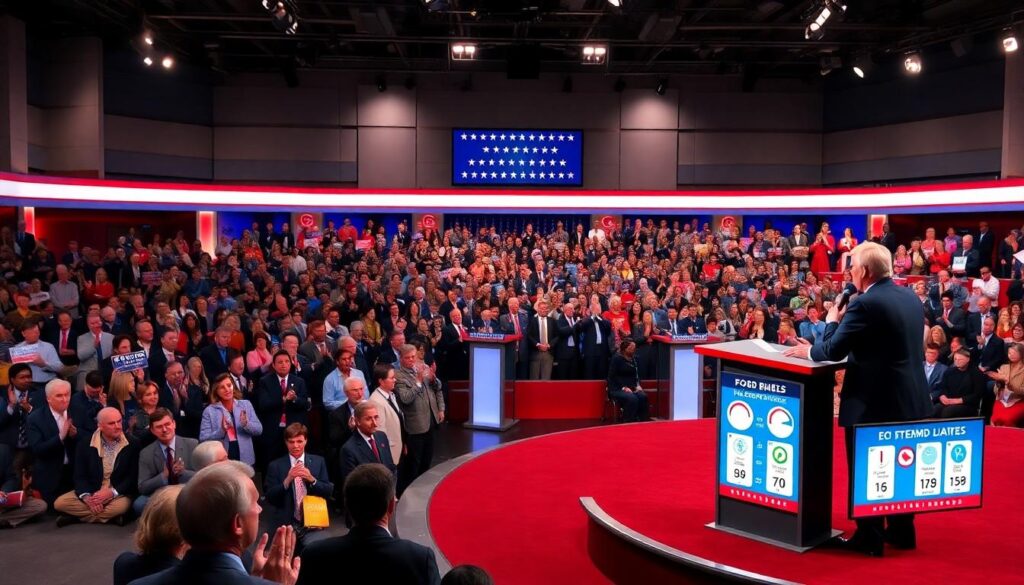
Horse race journalism features distinct elements that set it apart from traditional political reporting. This style primarily revolves around the competition between candidates.
Focus on Polls and Rankings
Polls serve as a cornerstone of horse race journalism. Reporters often highlight polling numbers to depict candidate standings, creating a narrative centered on who leads. Rankings influence public perception and media coverage, shifting attention away from policy merits. Journalists frequently use snapshots from surveys rather than comprehensive analyses, which can cause voters to make decisions based on superficial indicators. This approach risks promoting candidates with the best polling rather than the most substantial platforms.
Emphasis on Competition
Competition underpins horse race journalism, transforming political campaigns into spectacles. Coverage emphasizes strategic moves and rivalries more than candidates’ ideologies or policies. The thrill of victories and losses takes precedence, drawing viewers into a narrative more akin to a sports competition than civic engagement. Candidates often cater to this narrative, adjusting their strategies to enhance their competitive edge. This environment fosters a culture where winning dominates conversations, overshadowing critical discussions about governance and policy implications.
Impact on Political Coverage
Horse race journalism significantly influences how political coverage is perceived and understood. By focusing on competition and polling rather than policy, this reporting style shapes voter opinions.
Effects on Voter Perception
Voter perception often slants toward candidates who lead in polling numbers. Emphasis on rankings can overshadow important issues, leaving voters with a superficial understanding of policies. Focusing on who is ahead creates a narrative that may lead voters to support candidates based solely on perceived momentum. Journalists frequently present this information without adequate context; thus, voters may misinterpret candidate platforms. When the race is prioritized over policy discussions, it diminishes informed decision-making during elections.
Consequence for Candidate’s Strategies
Candidate strategies frequently shift to align with horse race journalism dynamics. Campaigns may prioritize media appearances and sound bites over detailed policy discussions to capture headlines. Candidates often focus on polling data to guide their messaging, emphasizing popularity over substance. This environment pressures candidates to adopt competitive tactics, sometimes at the expense of vital discourse on governance. As campaigns evolve into theatrical contests, important ideological discussions fade, changing the landscape of political dialogue.
Critiques of Horse Race Journalism
Horse race journalism faces significant critiques for prioritizing competition over substantial discussions. This style tends to misrepresent crucial issues by focusing heavily on who leads in the polls. Candidates may receive distorted portrayals based on their polling numbers rather than their policies. Coverage often emphasizes a candidate’s perceived strength rather than examining the implications of their stances, which can mislead voters. The narratives that emerge create an oversimplified understanding of complex political landscapes, risking voter disengagement from meaningful dialogues.
Neglecting important policy discussions further exacerbates the challenges posed by horse race journalism. Media outlets frequently overlook substantial issues to concentrate on competitive narratives, causing candidates’ platforms to fade into the background. As a result, voters find themselves with limited insight into the policies that affect their daily lives. Candidates may adjust their communication strategies to align with this focus, emphasizing their standings at the expense of explaining their positions. This shift leads to a lack of depth in political coverage, ultimately hindering informed civic engagement.
Horse race journalism significantly shapes the political landscape by prioritizing competition over substantive discussions. This reporting style can distort public perception and influence voter behavior, often leaving critical issues in the shadows. As audiences become more aware of this trend, the demand for balanced coverage that includes policy analysis alongside competitive narratives grows stronger.
Recognizing the implications of horse race journalism is crucial for informed civic engagement. Voters need to navigate beyond the spectacle of campaigns to understand the real impact of candidates’ policies on their lives and communities. A shift towards more comprehensive political reporting could foster a more informed electorate and a healthier democratic process.

